Hire Android Developers In India
Build scalable, high-performance native applications with expert Kotlin and Jetpack Compose developers in India.
- Specialists in Jetpack Compose and Material 3 for modern, responsive UIs.
- Advanced mastery of Kotlin Coroutines, WorkManager, and Dagger Hilt.
- Expertise in Google Play Console management and Vitals optimization.
- Vetted developers in India delivering robust, multi-device Android architectures.
Android Engineering for Global App Store Leaders


Android Engineering Hub in India
Accelerate your mobile performance with Webshark’s senior Android engineers, specialized in building premium native applications. Our team leverages Kotlin Coroutines, Jetpack Compose, and Material 3 design to deliver high-performance apps that ensure jank-free responsiveness and global scale. By prioritizing modular architecture, secure Keystore orchestration, and Android Vitals optimization, we help global leaders reduce technical debt and maintain resilient, future-ready Android ecosystems at scale.
Kotlin & Jetpack Compose
Building modern, declarative user interfaces with Jetpack Compose and high-performance business logic with Kotlin Coroutines for a reactive app experience.
Asynchronous Mastery
Utilizing Kotlin Coroutines and Flow to manage complex background tasks and data streams without compromising UI thread responsiveness.
Keystore & Biometric Safety
Implementing enterprise-grade security using the Android Keystore system, BiometricPrompt API, and encrypted Shared Preferences.
Clean Architecture Patterns
Architecting apps with MVVM or MVI patterns and Dependency Injection (Hilt/Dagger) to ensure the codebase is testable, modular, and maintainable.
Room Persistence & Data Sync
Managing complex local data using the Room persistence library and WorkManager for reliable background data synchronization.
Google Play Mastery
Full lifecycle management from Alpha/Beta testing tracks to Play Store production, with a focus on optimizing Android Vitals and app size.
Core Android Technical Specializations
Expert Android engineers in India delivering scalable native mobile experiences through specialized technical mastery.


Modern Kotlin & Compose
Architecting declarative UIs and high-performance native logic using Jetpack Compose and Kotlin Coroutines for a reactive experience.

Java to Kotlin Migration
Expertly handling legacy Java codebases and performing seamless refactoring to Kotlin to enhance code safety and modern feature support.

Apollo GraphQL Integration
Implementing type-safe data fetching with Apollo Android for efficient, real-time state management in data-heavy applications.

Firebase MBaaS Synergy
Integrating Realtime Databases, Push Notifications (FCM), and Remote Config to build scalable, cloud-connected mobile ecosystems.

Real-Time Native Sync
Engineering persistent WebSocket connections for instant messaging, live tracking, and bidirectional data broadcasting.

Room Persistence & SQLite
Optimizing local storage layers using Room persistence to handle complex relational schemas and offline-first data integrity.
Featured Work
Scalable native Android apps engineered for Kotlin-first efficiency and global Google Play Store success.

A conceptual redesign enhancing usability, visual clarity, and performance while maintaining the brand’s premium identity.

A conceptual redesign enhancing the digital experience for Stephen Webster’s iconic jewelry collections.
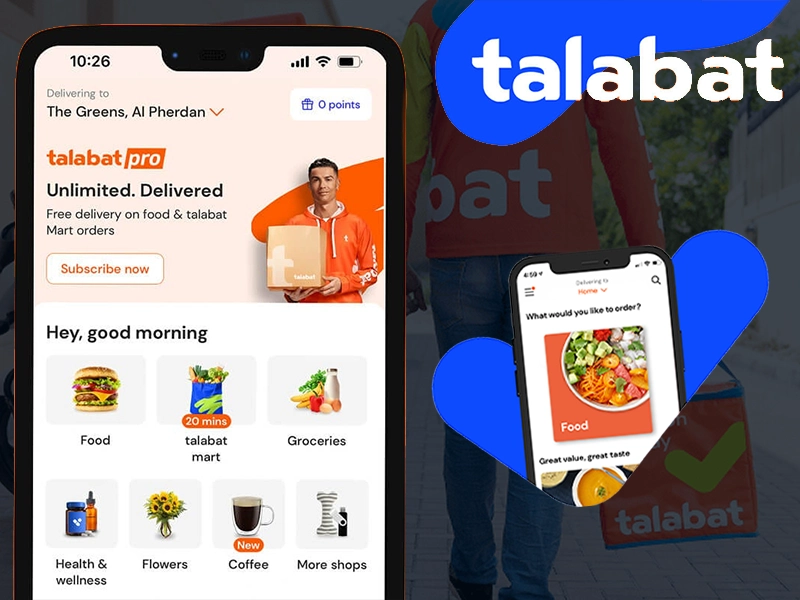
A scalable app redesign focused on faster ordering, improved usability, and a seamless food discovery experience for high-volume, on-demand users.

A high-performance digital redesign blending French elegance with a seamless, personalized e-commerce journey for Gemmyo’s bespoke collections.
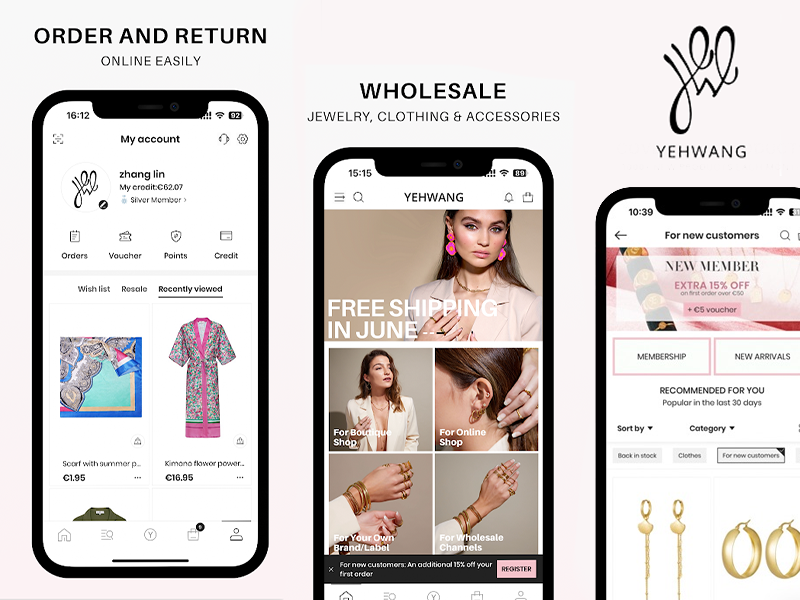
A refined mobile experience designed to showcase products, enhance browsing flow, and elevate brand presence for a fashion-forward global audience.

A sophisticated digital transformation showcasing Haddonstone’s craftsmanship through high-fidelity project visualization and refined product discovery.

A conceptual redesign focused on premium storytelling, personalized discovery, and seamless navigation across a global luxury fashion marketplace.

A vibrant digital overhaul capturing Free People’s eclectic aesthetic with enhanced visual storytelling and a seamless, community-driven shopping journey.
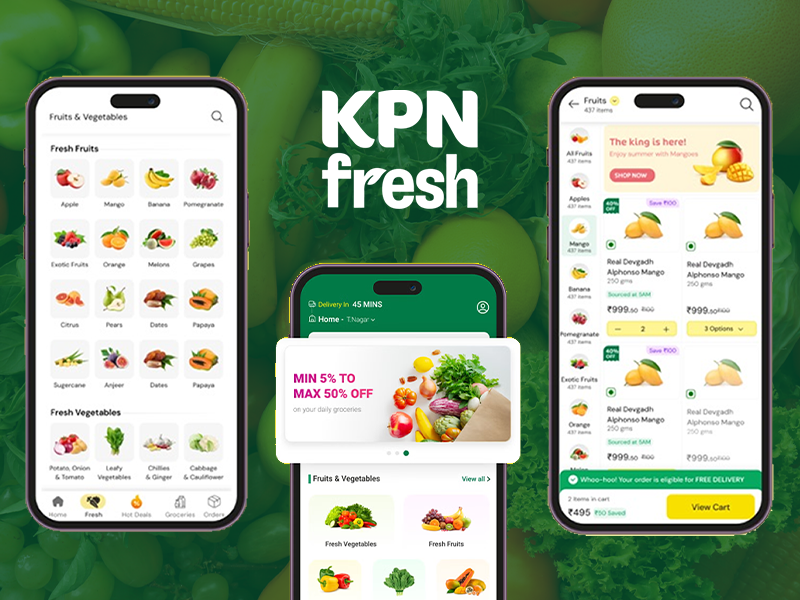
A fast and intuitive grocery delivery app experience focused on easy product discovery, quick reordering, and a seamless checkout journey for everyday shopping.

A sophisticated digital evolution for a Dubai-based construction leader, showcasing five decades of general contracting excellence and landmark regional projects.
Data-Driven Framework to Hire Android Engineers
A precision vetting process to integrate high-performance native Android specialists into your mobile infrastructure.
Define Roadmap
Outline Material 3 requirements, Kotlin/Java stack choice, and Google Play Store submission targets.
Vetted Talent Sourcing
Shortlist developers in India experienced in Kotlin, Jetpack libraries, and Android vitals optimization.
Technical Validation
Evaluate mastery in Coroutines, Room persistence, Dagger Hilt, and Espresso automation frameworks.
Mobile Team Integration
Seamless onboarding into your Firebase/Bitbucket workflow with immediate contribution to Android sprints.
Core Development Stack for Modern
Native Android Engineering


Android Benchmarks to Mitigate Risk
Proven delivery of high-performance native Android applications designed for vast device compatibility and global Play Store success.
Years of engineering native Android applications using Kotlin, Java, and Jetpack architectures from our Bangalore hub.
Android applications successfully launched on the Google Play Store with a focus on optimizing Android Vitals and crash-free rates.
Rapid integration of vetted native Android specialists into your Agile development sprints and mobile product lifecycle.
Frequently Asked Questions
Deep technical insights from our Bangalore engineering hub regarding Native Android performance, Kotlin-first development, Google Play Store compliance, and multi-device compatibility.
At our Bangalore hub, we adopt a Kotlin-first approach because it fundamentally improves code safety and developer velocity. While Java is robust, Kotlin eliminates the inherent fragility of older codebases by providing modern language features that prevent common runtime errors.
- Null Safety & Crash Prevention: Kotlin provides built-in null safety, which virtually eliminates NullPointerExceptions. This is critical because these exceptions account for roughly 70% of all Android app crashes. By catching these at compile-time, we deliver a significantly more stable product.
- Modern Asynchronous Logic: We utilize Kotlin Coroutines to handle background tasks. Unlike Java’s complex multi-threading, Coroutines allow our developers to write non-blocking code that is readable and efficient, ensuring the UI remains fluid even during heavy data processing or network calls.
Ultimately, choosing Kotlin ensures your product is built on a future-proof foundation that is officially recommended by Google, making it easier to scale and maintain as the Android ecosystem evolves.
Jetpack Compose represents a massive shift from traditional XML-based layouts to a declarative UI framework. Our engineers in India use Compose to describe the UI in terms of "state," which allows the interface to update automatically and intelligently whenever data changes. This eliminates the manual synchronization bugs common in older Android development, where the UI could often get out of sync with the underlying data logic.
By leveraging declarative programming, we can build complex animations and highly responsive interfaces with much less code. This reduces the "Overdraw" on the CPU and GPU, which directly translates to better battery efficiency and smoother frame rates. For your users, this means a premium, high-end feel that is consistent across different screen sizes, including tablets and foldables, without the performance lag associated with legacy view hierarchies.
Managing device diversity is a core competency of our Bangalore facility. The Android ecosystem is vast, spanning thousands of hardware configurations and screen aspect ratios. We ensure your app works for every user through a rigorous compatibility framework.
- Adaptive UI Engineering: Our developers use ConstraintLayout and WindowSizeClasses to create flexible UI components. This ensures that the app layout intelligently reflows whether it's viewed on a budget 5-inch smartphone, a high-end flagship, or a large-screen foldable device.
- Multi-Tier Testing Protocol: We don't just rely on emulators. Our QA process involves testing on a physical device farm that includes various Samsung, Google Pixel, and OnePlus models. We also utilize Firebase Test Lab to run automated scripts across hundreds of different API levels (from Android 8.0 to the latest Android 14).
This strategy guarantees that your application remains visually aligned and functional for a global audience, regardless of their specific hardware limitations.
We maintain a "Jank-Free" standard by strictly isolating all heavy operations from the Main (UI) thread. In Android, if a task blocks the main thread for more than five seconds, the system triggers an ANR error, which usually results in the user force-closing the app. Our specialists prevent this by architecting the app around Kotlin Flow and Coroutines, ensuring that network requests, database transactions, and heavy image decoding happen exclusively in the background.
Furthermore, we implement real-time performance monitoring using Android Studio Profilers and LeakCanary. This allows our team in India to detect memory leaks and CPU spikes during the development phase rather than after release. By optimizing image loading with modern libraries like Coil and implementing efficient caching, we ensure that the app remains responsive and maintains a consistent 60fps scrolling experience even with large data sets.
Security is integrated at the chip level in our development process. We understand that enterprise applications handle sensitive user data, so we implement a multi-layered defense strategy to protect against both local and network-based threats.
- Hardware-Backed Protection: We utilize the Android Keystore System to store cryptographic keys in a Trusted Execution Environment (TEE). This ensures that even if a device is rooted, the sensitive keys remain inaccessible to unauthorized entities.
- Network & Code Hardening: Our team implements strict SSL Pinning and TLS 1.3 for all API communication to prevent Man-in-the-Middle attacks. Additionally, we use R8 and ProGuard to obfuscate the source code, making it nearly impossible for competitors or malicious actors to reverse-engineer your business logic.
By following Google’s Best Practices for Security and Scoped Storage, our Bangalore hub ensures your app is fully compliant with modern privacy regulations and enterprise-grade data safety standards.
Yes, our India-based engineers strictly adhere to Clean Architecture principles to ensure your codebase remains scalable and maintainable for years. For most projects, we implement the MVVM (Model-View-ViewModel) pattern. This allows us to decouple the user interface from the underlying business logic, which means we can update the UI or swap out data sources without breaking the core functionality of the application.
For high-complexity applications with many interactive states, we often move to an MVI (Model-View-Intent) architecture. This provides a unidirectional data flow, making the app's state predictable and significantly easier to debug. We combine these patterns with Dagger Hilt for Dependency Injection, ensuring that every component is modular and 100% testable through automated units.
We architect "Offline-First" applications to ensure your users remain productive even in areas with poor or no internet connectivity. Our technical approach focuses on making the local database the "single source of truth" for the UI.
- Room Persistence Library: We build a sophisticated local caching layer using Room (SQLite abstraction). This allows the app to load data instantly from local storage while simultaneously fetching updates from the server in the background.
- Reliable Background Sync: We integrate WorkManager to handle data synchronization. This Google-recommended API ensures that sync tasks are executed reliably, even if the user closes the app or the device restarts, by respecting system battery constraints and network availability.
This strategy eliminates the frustration of "loading spinners" and provides a seamless user experience where data transitions between offline and online states are completely transparent to the end user.
Absolutely. Beyond writing native code, our Bangalore team manages the end-to-end publishing lifecycle on the Google Play Console. This includes generating the modern Android App Bundle (.aab) format to minimize the final download size for users across different device architectures. We handle the entire compliance audit, from filling out complex Data Safety labels to ensuring the app meets the latest Target API level requirements mandated by Google.
We also specialize in managing rollout tracks, including Internal, Alpha, and Beta releases. This allows you to test new features with a closed group of users and gather feedback before a full production launch. Post-launch, we monitor Android Vitals to catch any performance regressions or crashes in the wild, ensuring your app maintains high store rankings and visibility.
We follow a strict Test-Driven Development (TDD) approach to ensure zero-defect delivery. At our Bangalore hub, a feature is only considered complete once it has passed our comprehensive automated QA suite.
- Unit & Integration Testing: We use JUnit 5 and Mockito to test the business logic within the ViewModels and Domain layers. This ensures that the core math and logic of your app are verified every time the code changes.
- UI Automation: We utilize Espresso and Compose Test to simulate real user interactions. These tests click buttons, fill forms, and navigate screens automatically to ensure the user flow remains unbroken after every update.
By integrating these tests into a Continuous Integration (CI) pipeline, we catch bugs at the moment they are introduced, preventing expensive regressions and ensuring a stable build throughout the project lifecycle.
We have a streamlined 14-day rapid deployment model designed to help you scale your mobile engineering team without the typical friction of recruitment. Once technical requirements are finalized, we can have a pre-vetted Android specialist integrated into your workflow in less than two weeks. This speed is made possible by our deep internal bench of native Kotlin experts who are already trained in enterprise-grade coding standards.
During the onboarding phase, we manage all technical alignment, including repository access, SDK configurations, and synchronization with your Jira or Slack channels. Our developers are experienced in adapting to established Agile ceremonies, meaning they can start contributing to your active sprints almost immediately. This allows you to meet aggressive product milestones without compromising on code quality or technical debt.